ARCTIC CAT 3007-344 Cdi Control Module Ecu
fits model: M1000. make: Arctic-cat, Arctic. year: 2007.
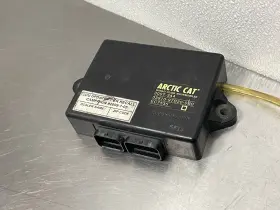
( Brand: Arctic Cat ), ( Manufacturer Part Number: 3007-344 ), ( Part Type: Control Module Ecu )
Review ARCTIC CAT Oem Cdi Electronic Control Module Ecu Read Ad fits M1000 2007
Introducing the Arctic Cat 3007-344 2007 M1000 CDI Control Module ECU, a crucial component for the proper functioning of your Arctic Cat M1000 snowmobile from the year 2007. This control module, also referred to as the Engine Control Unit (ECU), is responsible for managing various engine functions, including fuel injection, ignition timing, and emissions control.
The Arctic Cat 3007-344 2007 M1000 CDI Control Module ECU is a sophisticated electronic device that utilizes a CDI (Capacitive Discharge Ignition) system to deliver precise and efficient ignition to the engine. This system ensures reliable starting in cold temperatures and optimal engine performance throughout the entire RPM range.
Additionally, this control module is equipped with a Continuous Dynamic Ignition (CDI) system that uses an ignition map to optimize ignition timing based on engine load and temperature. This results in improved fuel efficiency, reduced emissions, and enhanced power delivery.
This Arctic Cat 3007-344 2007 M1000 CDI Control Module ECU features a robust design with a sealed, water-resistant housing to protect against the harsh winter conditions. It also includes a diagnostic connector, allowing you to easily connect it to a scan tool for troubleshooting and tuning.
In summary, the Arctic Cat 3007-344 2007 M1000 CDI Control Module ECU is a vital component for your snowmobile, ensuring reliable engine performance and efficient operation. Its advanced features, such as CDI ignition and continuous dynamic ignition, provide improved fuel efficiency, reduced emissions, and enhanced power delivery. With its rugged design and diagnostic capabilities, this control module is a must-have for any Arctic Cat M1000 owner.
Buying a new Arctic Cat 3007-344 2007 M1000 CDI control module ECU (Electronic Control Unit) can have several advantages and disadvantages for snowmobile owners. Here are some potential pros and cons:
Pros:1. Improved Performance: A new ECU can lead to improved performance by providing more accurate fuel injection, ignition timing, and engine management.
2. Better Fuel Economy: By optimizing the fuel delivery and engine management, a new ECU can help improve fuel economy, leading to cost savings over time.
3. Increased Reliability: A new ECU can help increase the reliability of the snowmobile by replacing a faulty or failing component.
4. Enhanced Features: Depending on the specific ECU, there may be additional features or upgrades that can enhance the riding experience.
5. Diagnostic Capabilities: A new ECU may have advanced diagnostic capabilities that can help identify and troubleshoot issues more effectively.
Cons:1. Cost: Replacing an ECU can be a significant investment, especially for older models.
2. Installation Complexity: Installing a new ECU can be a complex process that requires specialized tools and knowledge.
3. Compatibility: Ensure that the new ECU is compatible with the specific snowmobile model and any existing modifications.
4. Calibration: Proper calibration is critical to ensure optimal performance and fuel economy.
5. Risk of Damage: During the installation process, there is a risk of damaging other components or the ECU itself.
In conclusion, buying a new Arctic Cat 3007-344 2007 M1000 CDI control module ECU can offer several benefits, including improved performance, better fuel economy, increased reliability, enhanced features, and diagnostic capabilities. However, it also comes with some drawbacks, such as cost, installation complexity, compatibility, calibration, and the risk of damage. Ultimately, the decision to buy a new ECU depends on the individual's priorities, budget, and technical expertise. If the benefits outweigh the drawbacks, and the necessary resources are available, then a new ECU can be a worthwhile investment for a snowmobile enthusiast.
Details:
I would recommend resealing it. Priced accordingly Came from a running 2007 M1000 however there are cracks in the epoxy.
part #: 3007344 prices
- $198.00-$259.95
specifications snowpar:
- for models: M1000
- for makes: Arctic-cat, Arctic
- for years: 2007
- brand: Arctic Cat
- mpn: 3007-344
- part type: Control Module Ecu
payments snowpar:
- other
- wallet: Google-pay
- credit card: Discover
returns snowpar:
- policy: No Returns
offer snowpar:
- best offers: True
- options: Ship-to-home
- started: February 28, 2026
- quantity: 1
- availability: In Stock
- sold: 0
general snowpar:
- Parts Accessories > Snowmobile Parts > Other Parts
- condition: For parts or not working
shipping snowpar:
- cost: $0.00
- service: Standard
- class: Standard
- type: Fixed
- transit: 4-10 Days
seller snowpar:
- # reviews: 188
- rating: 100.0%
- city: Denver, Colorado
Arctic Cat 3007-344 Is Similar To:
- Arctic Cat 0703-193 Oem Zry600 Zr600 Sway Bar 1 2 (41.6% similar) Oem Arctic Cat 0703-193, ZRY6 ZR600 sway bar 1/2. Items are shipped using USPS, ups, and FedEx. Sway bar 1/2 is used and in fair condition, not original packaging. Pictures: thumbnails. All parts are in stock and ready to ship. If the original package is included it may show signs...(May 17th, 2024)
- Arctic Cat 1602-193 Oem 2003 Zr 900 26 Tooth Chaincase Gear (45.9% similar) Made in the USA, this gear is a reliable and durable choice for your snowmobile. It is designed to fit perfectly with your Arctic Cat snowmobile and ensure that it runs smoothly efficiently. With no warranty, it is important to ensure that this gear installed correctly and suitable for...(May 18th, 2024)
- Arctic Cat 0608-251 98-20 Zr Zrt Lynx Bearcat Engine Mount Single (44% similar) Thomas Son sports. 98-20 Arctic Cat Zr Zr lynx bear Cat engine mount single 0608-251, genuine used motor with nut good condition no rips or cuts threads are in good shape, removed from: 2016 Arctic Cat with miles, please review all pictures to assess the condition of item...(May 19th, 2024)
- Tillotsen Tr18a Vintage Carburetor Carb Snowmobile Arctic Cat Jlo Sno Jet Hirth (24.5% similar) Thanks, -Paul. This tilts TR18A carb looks to be in decent shape, but I haven't tested it on a sled...(May 19th, 2024)
- Arctic Cat 0506-300 2000 500 4x4 Automatic Trailer Tow Hitch (48.5% similar) It all depends on the size and weight of items. This item is in good condition. Excellent: this is a new part that still in the package and perfect condition. It is still a usable part. It includes everything pictured. Or it is a part with small mechanical problem but still usable...(May 19th, 2024)
- Arctic Cat 0612-225 92 93 94 Jag 440 Snowmobile Engine Exhaust Manifold Y-pipe Y Pipe (37.3% similar) This item is perfect for anyone in need of a replacement engine exhaust manifold y-pipe their Arctic Cat snowmobile. This engine exhaust manifold y-pipe is a perfect fit for 92-94 Arctic Cat jag 440 snowmobile. The brand is Arctic Cat and the part A2149 500 600 700 800 snore 877 400 snow sled...(May 19th, 2024)
- Arctic Cat 0662-179 1997 Cougar 550 Snowmobile Engine Motor Ext (36% similar) Thanks, -Paul. This 1997 Arctic Cat cougar 550 l/c twin snowmobile engine is in good shape and runs well with 105 psi of compression per cylinder...(May 19th, 2024)
- Arctic Cat 0703-425 1997 Zr 580 Efi Spindles Housing Lh And Rh Pair Oem (25.9% similar) Part #: Arctic Cat 0703-425 for sale...(May 20th, 2024)
- Arctic Cat 1686-633 2016 Lynx 2000 Motor Engine Hardware Kit (38.2% similar) Thomas Son sports. 2016 Arctic Cat lynx 2000 motor engine hardware kit, genuine used kit pulled from a complete. Does not include case bolts, removed from: 2016 Arctic Cat lynx 2000 with miles, please review all pictures to assess the condition of item...(May 20th, 2024)
- Arctic Cat 1707-228 07 Crossfire 1000 Bulkhead Chassis Repaired Engine Mounts (41.8% similar) Up for sale is a used chassis bulkhead that was removed from 2007 crossfire 1000. This bulk head was welded by the previous owner to fix these areas. There is a known problem with these sleds where the engine mounting areas crack...(May 20th, 2024)
- Arctic Cat 0720-231 Inner Chain Case Cover Dropcase 1994 Ext580 Efi (40.6% similar) All threaded holes and stud threads are good. Not broken, scraped up, or damaged in any way. Gasket surface is in great shape. No cracks, welds, or repairs. Cover is used but in good working order...(May 21st, 2024)
